

Robin Dunlop explains how Altea is collaborating to translate Stainless Art Kayoei’s stainless steel surface treatments for aircraft interior applications.
What’s your favourite detail from a recent design?

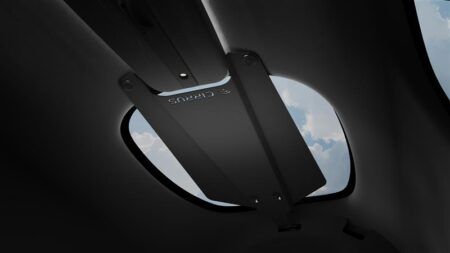
We have been working on how we can use stainless steel as a viable material in our cabin interiors. Plastics and resin materials are often used to reduce weight, but these deteriorate over time, cracking and discolouring, and typically require frequent disposal and replacement. We are looking to replace these with high-quality stainless steel, which has enhanced longevity due to its hardness and its ability to be maintained through polishing. This not only reduces waste but also cuts emissions associated with manufacturing and transporting.
We are also keen to celebrate the strong connection between steel, luxury and Japanese heritage, a tenet of which is the nation’s prowess with steel production – think samurai swords, forging techniques, and even luxury kitchen knives.
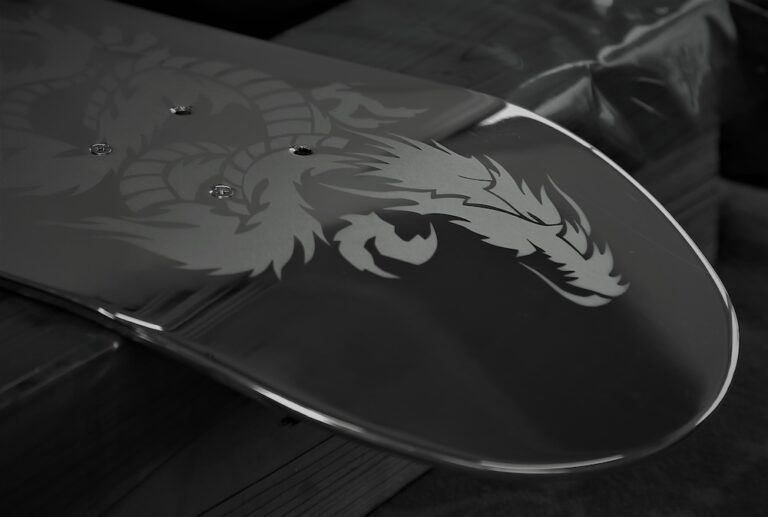
Altea is collaborating with Japanese manufacturer Stainless Art Kayoei (SAK) to utilise the unique techniques they’ve developed to polish and etch patterns and textures into stainless steel, a difficult feat on such a hard material. We are aware of steel’s stigma as having a burdensome weight, but SAK can create stainless steel surfaces that are 0.4mm thick.
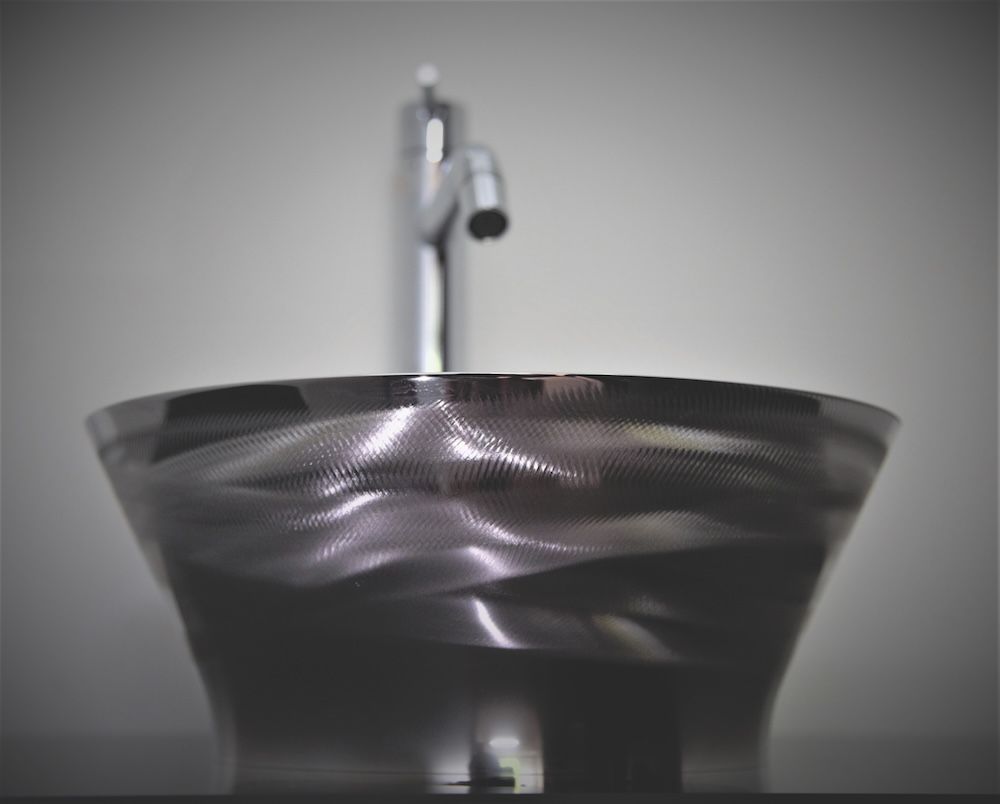
This year, SAK and Altea want to explore steel surface treatments inspired by Japanese traditional craftsmanship – techniques that overturn stainless steel’s typical image of being a cold and industrial material. Specifically, we wish to apply textures such as vibration finishing and hammered (tsuchime) patterns with aircraft-grade precision. The result would combine practicality and aesthetics, as imperfections such as fingerprints are less noticeable and light reflections are softened on a textured surface. Additionally, the texture evokes a warm feel to the metal, which harmonises with natural materials like wood and leather.
What can be learnt from this project?
True luxury is not disposable, but something that can be cherished for a long time – samurai swords were handed from generation to generation, often being used for hundreds of years. Once you change your perception of what stainless steel can do, the possibilities are endless.
The concept of maintainable metal materials can be applied across many touchpoints in the cabin, such as galleys, handrails and decorative panels. We have ideas already in play and not just for the aviation interior market, but also high-end luxury products.
This interview was first published as part of the European Design Forum in the March/April 2026 edition of Business Jet Interiors International. Four private jet interior designers based in Europe were invited to share key details from recent projects.